Facts About Tiangong-1 China’s ‘Heavenly Palace’ In Space
Tiangong-1 Space Station
It is appropriate that Tiangong-1 literally means ‘Heavenly Palace’ in Chinese, being the first habitable space station to serve as a manned laboratory launched by China. Three Chinese Shenzhou spacecraft visited Tiangong-1 while it was in orbit, paving the way for a larger modular Chinese space station in the future. The Tiangong-1 re-entered the Earth’s atmosphere and burnt up over the Pacific Ocean on April 2nd 2018.
Tiangong-1 Station Fast Summary Facts!
- Type: Space Station testbed
- Destination: Low Earth Orbit (LEO)
- Status: Deorbited
- Launch Location: Jiuquan Satellite Launch Centre
- Launch Date: September 29th 2011
- Re-entry Date: April 2nd 2018
- Mission Duration: 4 ½ years
Read About China’s Tiangong-1 Small Space Station
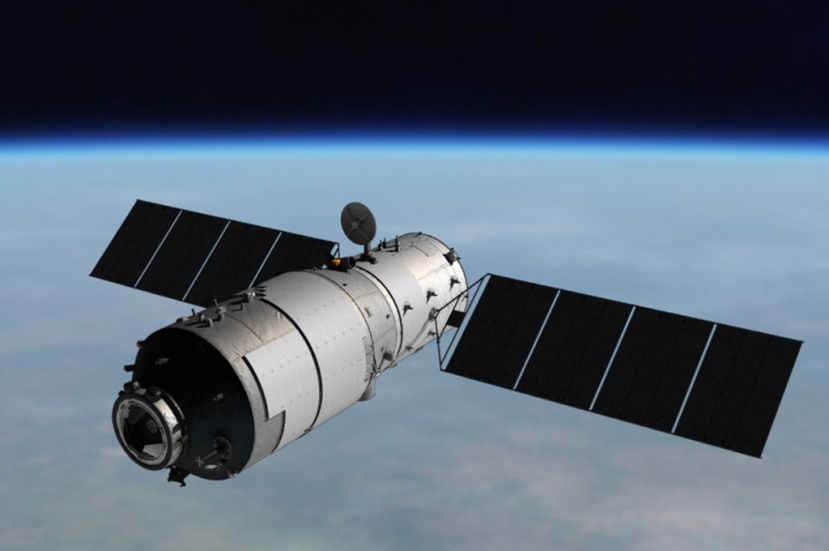
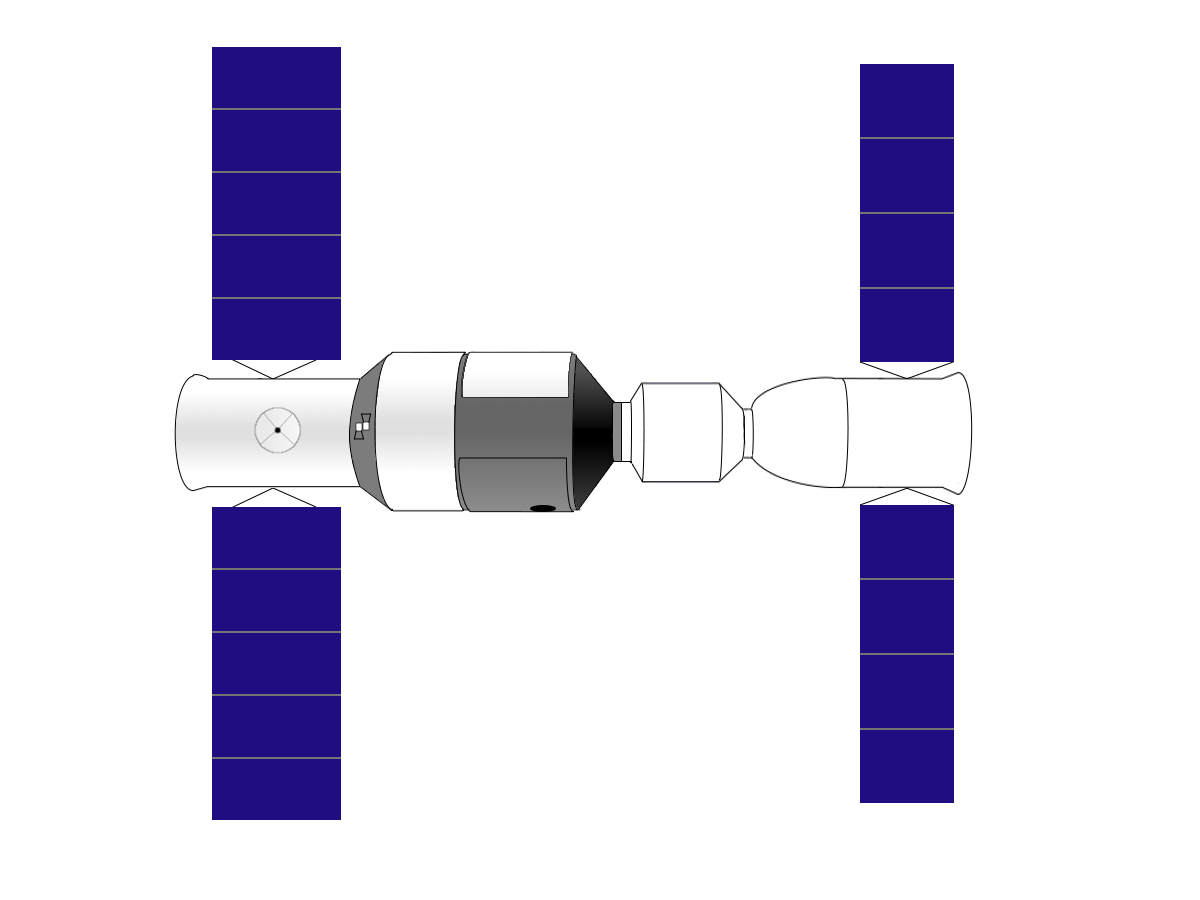
- The Tiangong-1 ‘space-laboratory’ is comprised of two main sections; a service module-type section with its solar panels and propulsion systems, and a larger pressurized 15 cm3 habitable experimental module.
- The station was 10.4 m (34 ft) in length, 3.35 m (11 ft) in diameter and over 8.5 tonnes (18,700 lbs) in mass at launch.
- Tiangong-1 space station was launched aboard the Chinese Long March 2F rocket.
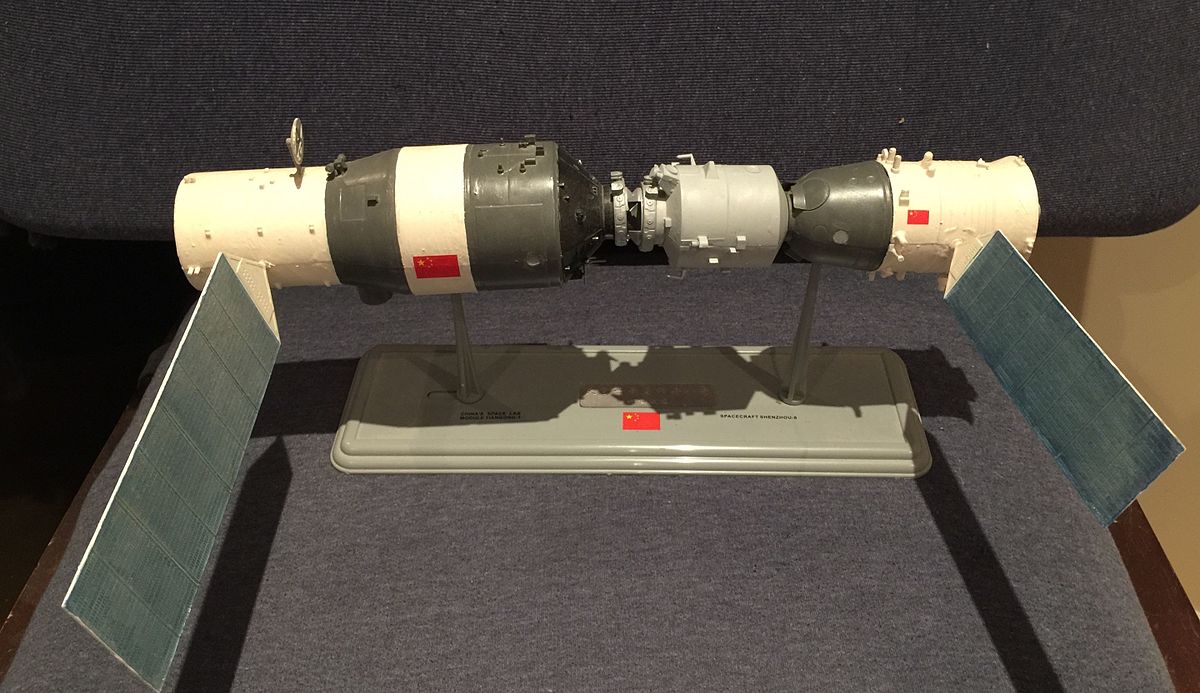
- The Tiangong-1 station was visited by three Shenzhou spacecraft during its time in orbit, firstly the unmanned Shenzhou 8, followed by the Shenzhou 9 and 10 with the first female taikonaut!
- Two crew members can sleep in the Tiangong with a third sleeping in the docked Shenzhou spacecraft.
- On June 20th 2013, Wang Yaping (China’s second female taikonaut) delivered a remote video lecture from orbit to students across China, demonstrating physics in microgravity.
- The Chinese Space Agency has since launched a new small ‘Heavenly Palace’ called Tiangong-2.
- In late 2016, contact with the decommissioned station was lost so it became another piece of space junk and re-entered the Earth's atmosphere uncontrolled on April 2nd 2018 with reports that it is likely that debris made it to the Earth’s surface.
Chinese Space Station
Docking
Tiangong-1 Schematic